Small Magellanic Cloud – Northern Region
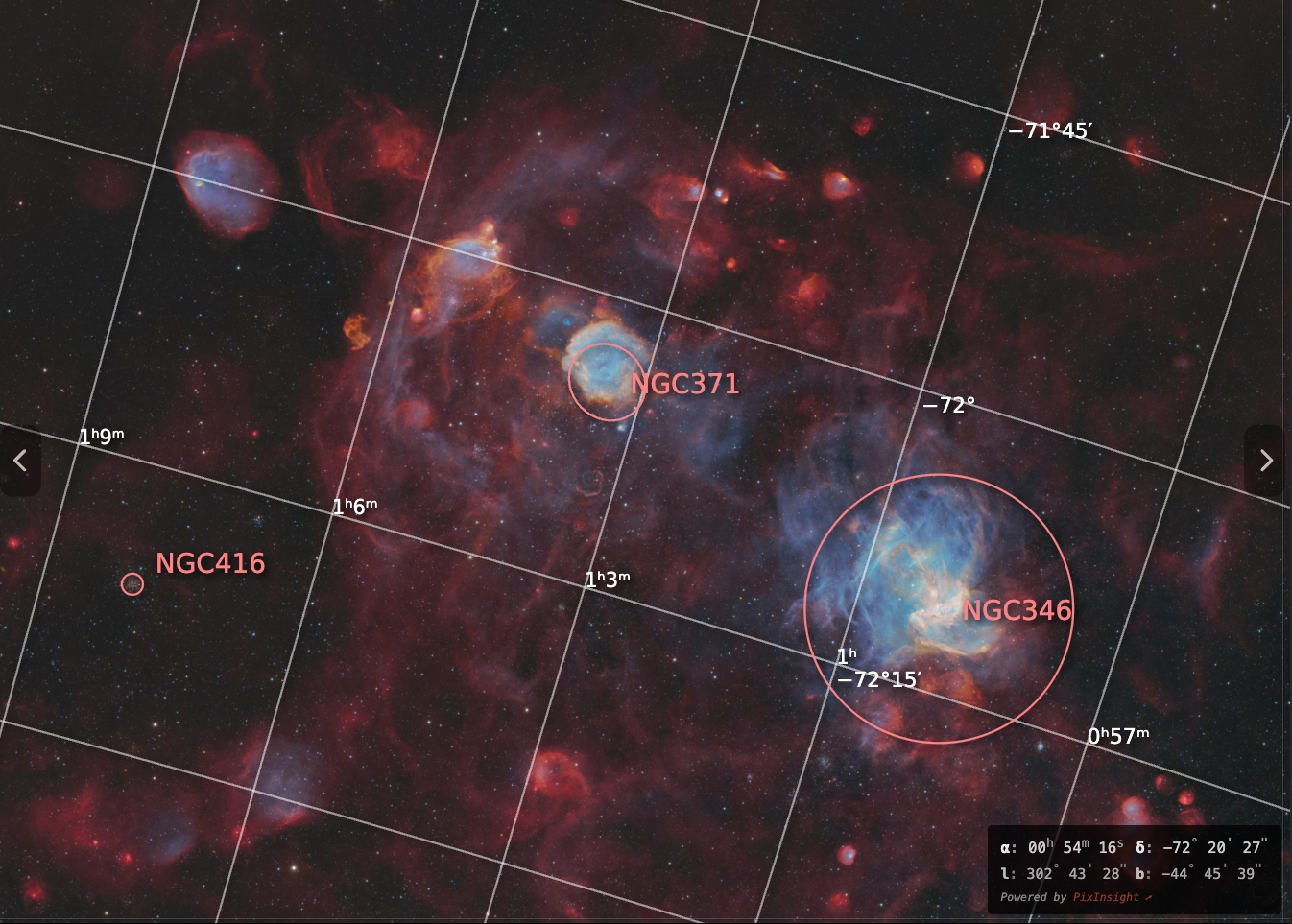
This is my take on the northern part of the Small Magellanic Cloud, captured from my backyard in suburban Melbourne under Bortle 7 skies. Around 48 hours of total exposure, shot mostly in narrowband with RGB added for the stars and continuum subtraction.
The SMC is a well-known target, but anyone who has tried to process it will tell you it’s not straightforward. At roughly 200,000 light-years away, pulling genuine structure out of it at 750mm focal length takes some work. There’s an enormous amount of star density in this region, which is visually striking but can easily overwhelm the nebulosity if you’re not careful about how you handle it.
Processing approach
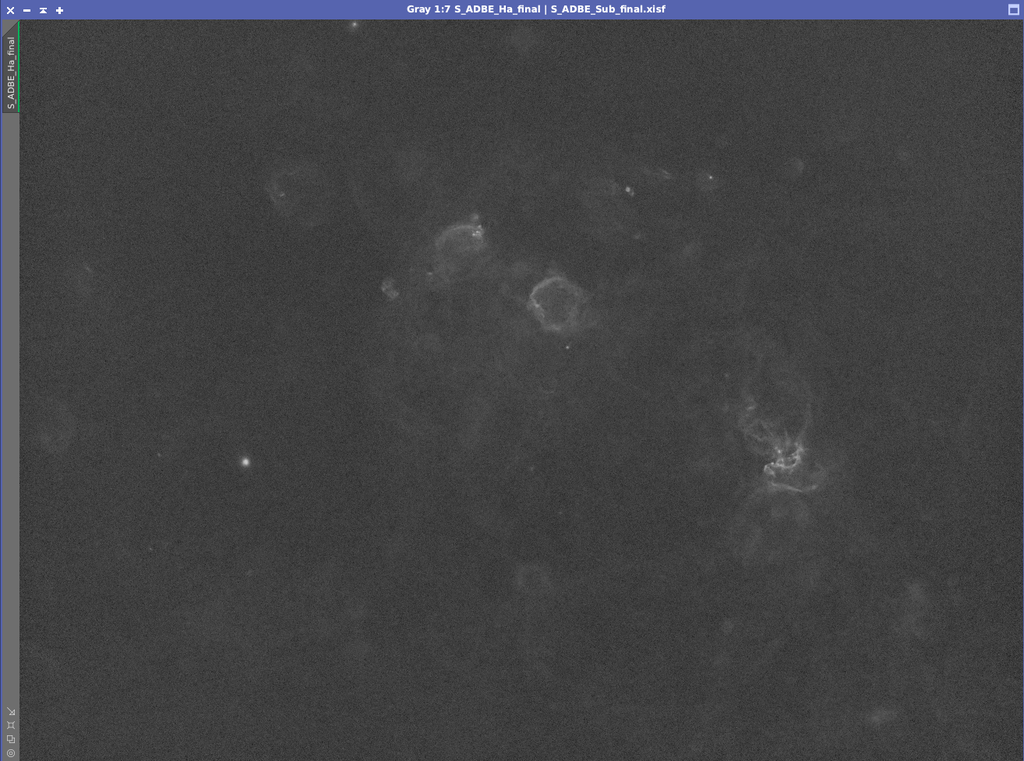
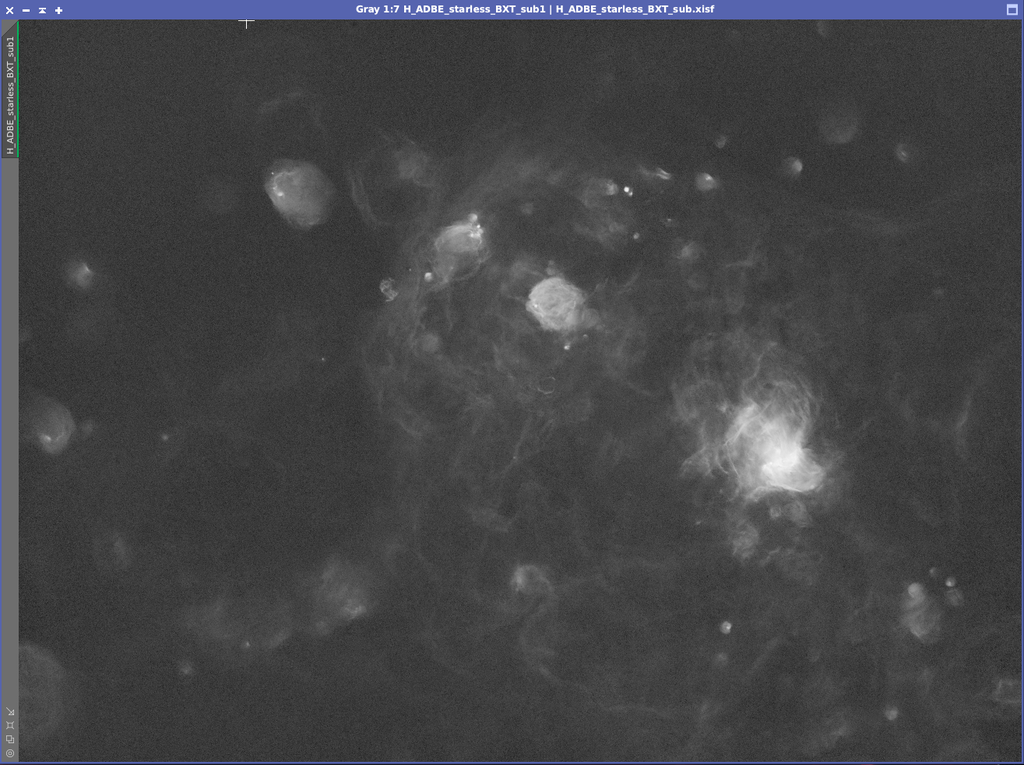
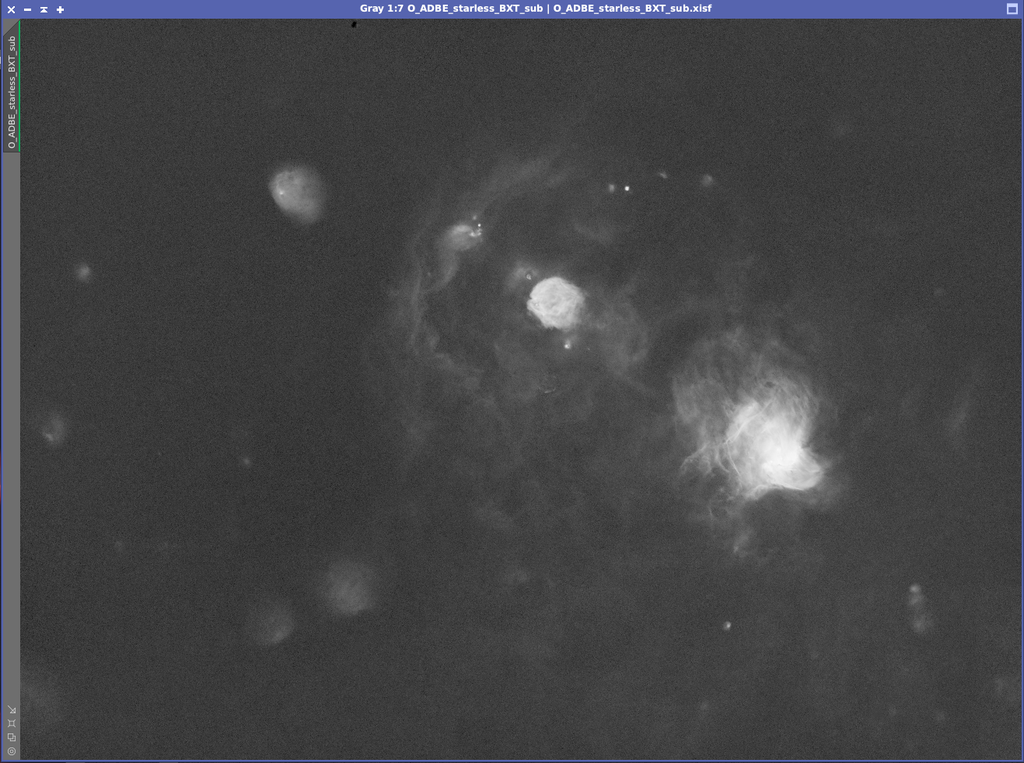
I used a custom narrowband palette that sits somewhere between the FORAX blend and natural colour: hydrogen mapped to red, oxygen to blue and green, and sulphur to yellow. Each narrowband channel was continuum subtracted before blending to properly isolate the emission lines. To keep the nebulosity readable, I brought the star brightness down considerably.
One technique that made a real difference to the final result was masking the OIII emission onto the Ha layer. Without that step, the OIII tends to get absorbed into the Ha and the blend pushes towards white rather than holding the colour separation. The mask keeps the OIII present and defined where it actually exists in the data.
What’s in the frame
To me this part of the SMC has the look of a flock of birds crossing the sky, all these small puffs of nebulosity scattered between clusters. NGC 346 and NGC 371 are the standout objects. This is roughly an 80% crop of the full field.
I’d like to revisit this target at some point with a longer focal length and a larger sensor. The structure is there in the data, and I think more magnification would bring a lot of it to life.